A Guide to Starting Your Own Art Gallery: First Steps
A Guide to Starting Your Own Art Gallery: First Steps
Opening your own art gallery is both exciting and challenging. From clarifying your vision to handling the legal paperwork, from finding the right space to building relationships with artists, there are many steps you need to take in the right order. In this post, we walk through the first steps of starting a gallery.
1. Define your vision and concept
Every successful gallery has a clear concept behind it. Do you want to show contemporary art, emerging artists, or a particular technique or style? A gallery that tries to cover everything usually ends up without a distinct identity.
Ask yourself: what gap does this gallery fill? Which artists and which audience will feel at home here? The answers to these questions will guide every decision you make going forward.
2. Do your market research
Which galleries exist in your city or region, which artists do they represent, and where do collectors and art lovers gather? This research isn't just about knowing your competitors — it's also about finding a niche that hasn't been filled yet.
- Visit galleries and art fairs in your area
- Identify your target audience (collectors, art lovers, tourists, etc.)
- Decide whether you'll have a physical space, an online gallery, or a combination of both
3. Prepare a business plan and budget
Rent, insurance, lighting, shipping, invitations and catalog costs, commission rates... running a gallery is far more operational than it appears. You should prepare a budget that assumes you may not have steady sales income for the first 12 to 18 months.
Clarify from the start the commission rate you'll apply when working with artists (the gallery's share is typically 40-50%) and set realistic sales targets for your first exhibitions.
4. Set up the legal structure and permits
Decide on your business type (sole proprietorship, limited company, etc.), register for tax purposes, and research local regulations related to selling artwork. You can also start drafting the representation agreements you'll sign with artists at this stage.
Liability insurance and the risk of damage during the transport of artworks are also important items you shouldn't overlook.
5. Choose the right space
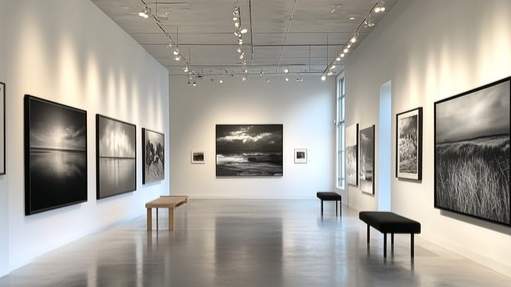
When choosing a space, pay attention not just to foot traffic but to the atmosphere of the place — some of the most successful galleries aren't on main streets but tucked away in side streets waiting to be discovered. Ceiling height, the balance between natural and artificial lighting, and the flexibility of the wall layout all directly affect how the artwork you display will be perceived.
Before signing the lease, it's worth visiting the space at different times of day to observe how the light changes.
6. Build your network of artists
The relationships you build with artists are your gallery's most valuable asset. You can discover undiscovered talent by following graduation shows at art schools, independent studio open days, and smaller art fairs.
Rather than basing your first collection around a single "star" name, building it around a cohesive group of 5-8 complementary artists gives your gallery a stronger identity.
7. Plan your opening exhibition
Opening night is the first impression that tells people who your gallery is. Carefully put together your guest list from local press, collectors, and names from the art community. Sharing the process on social media with "behind the scenes" content helps build interest before the opening.
When writing your press release and exhibition text, put the artist's story front and center rather than the sale — interest and trust come first through narrative, and only then through sales.
Opening a gallery isn't finished with a single opening night; every new exhibition adds another layer to your collection and your reputation. These first steps will get you through the door — the rest is built over time with patience, consistency, and the right artists.