Artwork Provenance and Documentation: Why It Matters
Provenance — the ownership chain of an artwork from its creation to the present — directly affects value in the art market, yet is often neglected. A fully documented piece is both more trustworthy and more valuable.
Why provenance affects value
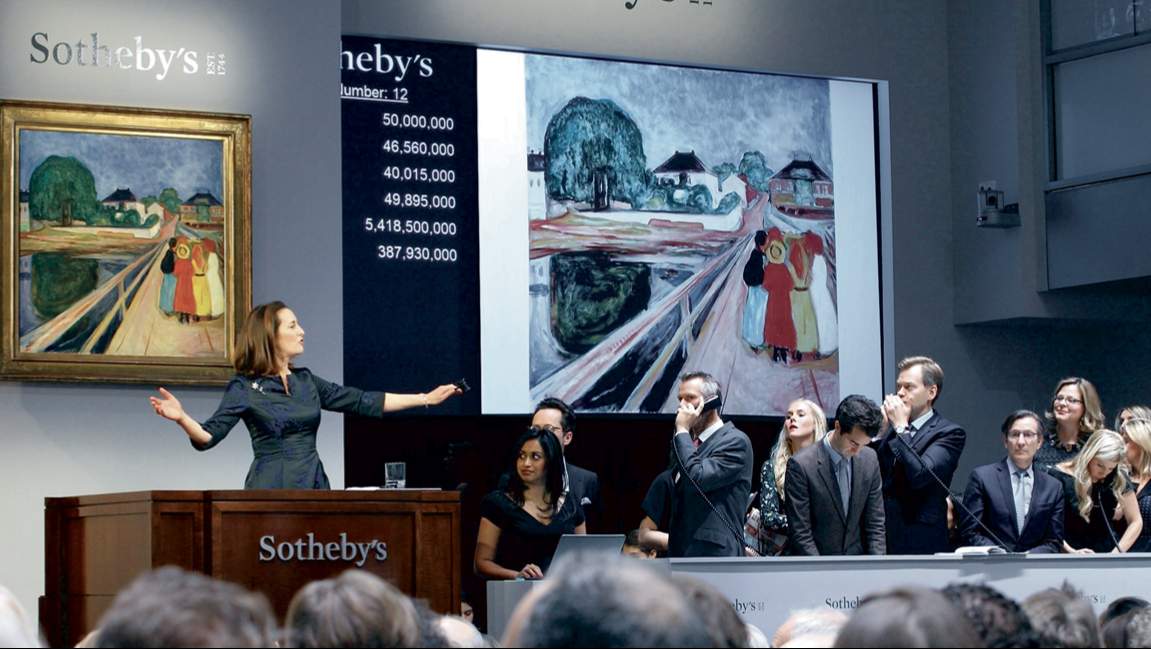
A piece that passed through a notable collection or a well-known exhibition finds a buyer at a higher price than an undocumented work by the same artist. Collectors want to be confident about the authenticity and history of what they're buying.
Legal protection
Incomplete provenance increases the risk of stolen or forged work. A gallery keeping purchase invoices, prior ownership records, and any exhibition or publication history for every piece protects both itself and its collectors.
Digital documentation
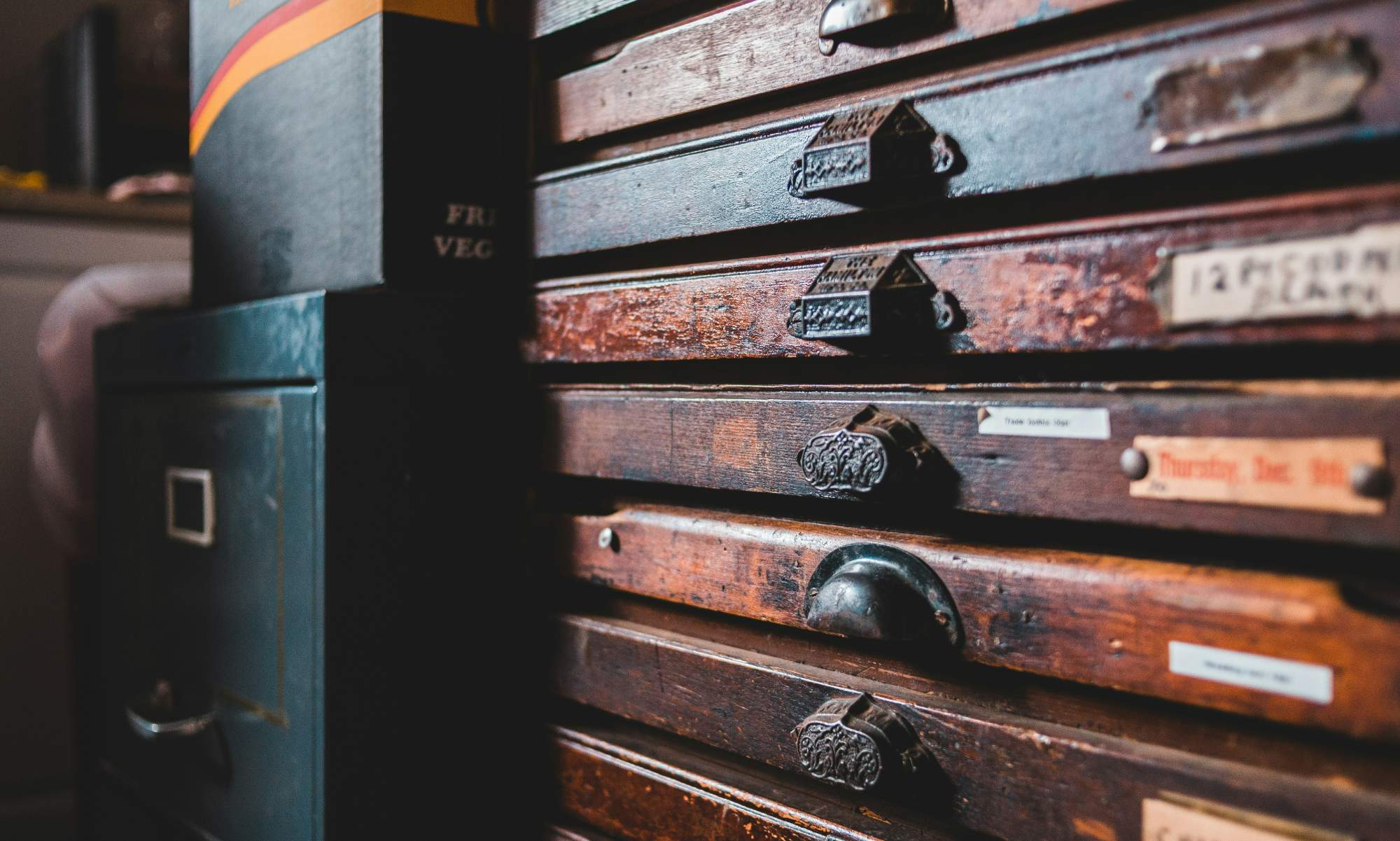
Paper records can get lost or worn out. Storing invoice images, certificates, and prior ownership information in each artwork's digital file makes access easier and ensures this information transfers completely when the piece is sold to a collector.
How to start in practice
Define a standard documentation process for every newly acquired piece: source, purchase date, prior ownership information, and any certificates should be scanned and added to the system. Existing inventory should also be documented retroactively wherever possible.