Art Fair Participation Guide: Preparation Process for Galleries
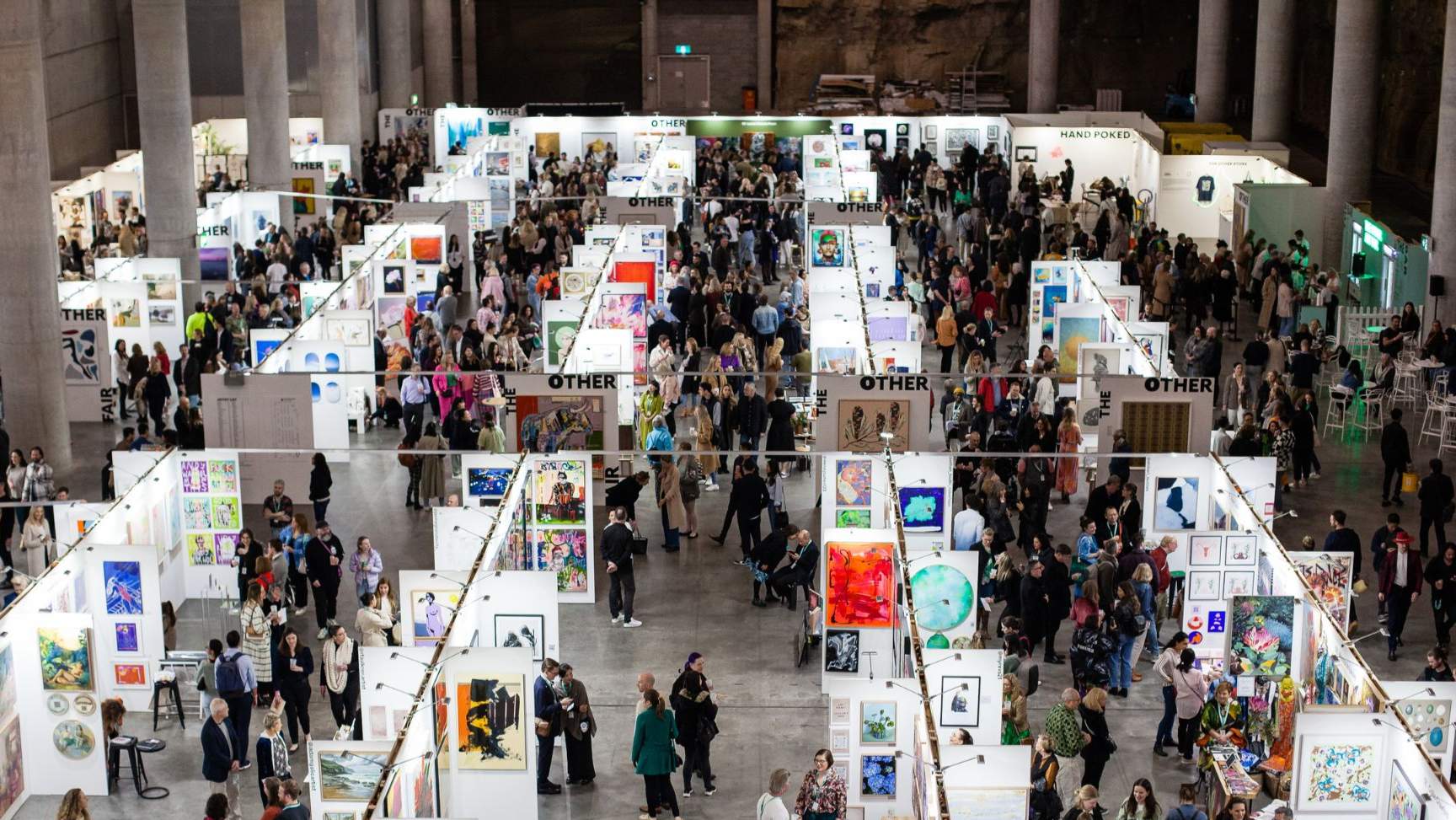
Art fairs are not just an opportunity for galleries to exhibit works; they are also an important platform for meeting new collectors, increasing artists' visibility, building international connections, and strengthening the gallery's brand. However, a successful fair participation is the result of a comprehensive preparation process planned months in advance, not one that begins at the fair venue itself.
Choosing the right artists, budget planning, booth design, communication strategy, and the post-fair follow-up process must be handled as a whole. So, what steps should galleries pay attention to when preparing for an art fair?
1. Define the Fair's Profile and Your Goals
Every art fair has a different visitor profile, collector base, artist selection, and commercial dynamics. Therefore, the first step is to assess how suitable the fair you're attending is for your gallery.
Answering the following questions makes the preparation process easier:
- What is the fair's visitor and collector profile?
- Which artists in your gallery's program align with the fair's overall profile?
- Is your primary goal sales, gaining new collectors, or international visibility?
- What were the fair's participants and visitor base like in previous years?
- Does the cost of participation match the expected commercial and communicative benefit?
At this stage, it's necessary to look not only at sales targets but also at the gallery's long-term brand strategy.
2. Make Artist and Artwork Selection Strategic
The works displayed at the fair booth must convey the gallery's identity within just a few square meters. For this reason, rather than cramming numerous artists into the same space, creating a strong and cohesive selection is generally more effective.
When making a selection, attention should be paid to whether the works:
- Fit the overall atmosphere of the fair,
- Have a visual and conceptual relationship with one another,
- Appeal to different budgets,
- Meet portability and exhibition conditions,
- Represent current production
For galleries especially targeting new collectors, having works at different price levels can make it easier for visitors to connect with the gallery.
3. Plan the Budget Thoroughly from the Start
An art fair budget doesn't consist of just the booth fee. Transportation, shipping, insurance, accommodation, production, printed materials, technical equipment, staff, and promotional expenses can significantly increase the total cost.
For this reason, it's useful to calculate core expenses as separate line items during the preparation phase:
Participation + booth + shipping + insurance + accommodation + staff + production + communication + unexpected expenses
Setting aside a separate budget allocation for unexpected costs prevents issues that may arise during the fair from disrupting operations.
4. Treat Booth Design as Part of the Gallery's Identity
The booth can be thought of as the gallery's physical showcase at the fair. It should catch the visitor's attention but not overshadow the works themselves.
A good booth design features:
- A layout that makes the works easy to perceive,
- Consistent use of color and materials,
- Adequate lighting,
- A layout that allows for easy circulation,
- Graphic elements that support the gallery's identity without being excessive
The space between works is just as important as their placement on the walls. Each piece having its own visual space allows the visitor to connect with the work more comfortably.
5. Organize the Artwork and Logistics Process in Advance
Logistics is one of the aspects requiring the most operational attention in fair preparation. The safe transportation, receipt, installation, and return shipping of the works after the fair must be planned in detail.
Creating an up-to-date record for each work — bringing together dimensions, technique, weight, sale price, insurance value, and shipping information in one place — makes the process easier.
It should also be ensured that the shipping and installation schedule aligns with the fair organizer's delivery dates. Last-minute logistics problems not only create costs but can also result in the booth not being ready for the opening.
6. Prepare Sales and Communication Materials
Materials that make it easier for visitors to learn about your gallery during the fair should be ready. However, the goal here is not to overwhelm the visitor with a heavy flow of information, but to present the right information quickly and professionally.
Materials that can be prepared include:
- Gallery introduction text,
- Artist biographies,
- Lists of works,
- Price list,
- Exhibition or project information,
- Business cards and contact information,
- Digital catalog or QR code
How price information will be shared should also be clarified within the team before the fair. This ensures consistent information is conveyed to different visitors.
7. Prepare the Fair Team
The gallery's success at the fair doesn't depend solely on the selection of works. How the team working at the booth communicates directly affects the visitor experience.
Team members should be prepared on at least the following topics:
- The artists' production practices,
- The stories behind the exhibited works,
- Prices and sales conditions,
- The gallery's program,
- Notable projects carried out previously,
- The process of communicating with potential collectors
That said, rather than constantly steering the visitor toward a sales pitch, a natural communication style that tries to understand their interests can be more effective.
8. Start Pre-Fair Communication
Waiting for the fair to open can be a missed opportunity in terms of communication. The gallery's participation can be announced weeks in advance.
Visibility can be built before the fair through social media posts, email newsletters, artist features, and press communication.
In particular, existing collectors and professional contacts can be invited to the fair with personalized invitations. This way, a certain visitor traffic can be generated from the very first day the booth opens.
9. Collect Visitor Data During the Fair
For the connections made during the fair to be sustainable, visitor and potential collector information needs to be recorded systematically.
However, simply collecting business cards is not enough. The content of the conversation, the artist or work of interest, and notes that may be important for future communication can also be recorded.
This information helps personalize the follow-up work to be done after the fair.
10. Value the Post-Fair Period as Much as the Fair Itself
The real impact of an art fair continues even after the booths are dismantled. Timely communication with people met during the fair can ensure that potential sales and new collaborations continue.
After the fair:
- Prioritize potential collectors.
- Send additional information about the works they were interested in.
- Share appropriate content about the artist and gallery.
- Maintain contact with the professionals you spoke with.
- Evaluate the sales and connections made.
- Take notes for the next fair.
This evaluation shouldn't be limited to financial results alone. Which artists attracted interest, which works were discussed more, what questions visitors asked, and which communication channels worked should also be analyzed.
Conclusion: A Successful Fair Participation Is a Matter of Wholeness
Participating in an art fair is a significant investment and visibility opportunity for galleries. However, a successful participation is not achieved with just an eye-catching booth or a strong artist selection alone.
The right fair choice, a strategic selection of works, a controlled budget, strong booth design, flawless logistics, a well-prepared team, and effective post-fair communication must all work together.
For galleries, the most important goal is not to reach as many people as possible during the fair, but to bring the right artist together with the right audience and to turn the relationships built at the fair into a long-term communication network. This approach can transform the art fair from a short-term sales event into a strategic platform that develops the gallery's brand and artist program.