Exhibition Management: Best Practices for Galleries
An exhibition is one of a gallery's most visible moments — but behind the scenes, chaos builds quickly without disciplined management: which pieces are in the show, which have sold, and which need to return to their owner can all get tangled.
Pre-show planning
A show shouldn't open until the list of included works, each one's source (gallery inventory, consignment, or loan), and its insurance status are all clear. When this information is scattered, answering questions that come up during the show becomes slow and difficult.
Tracking sales during the show
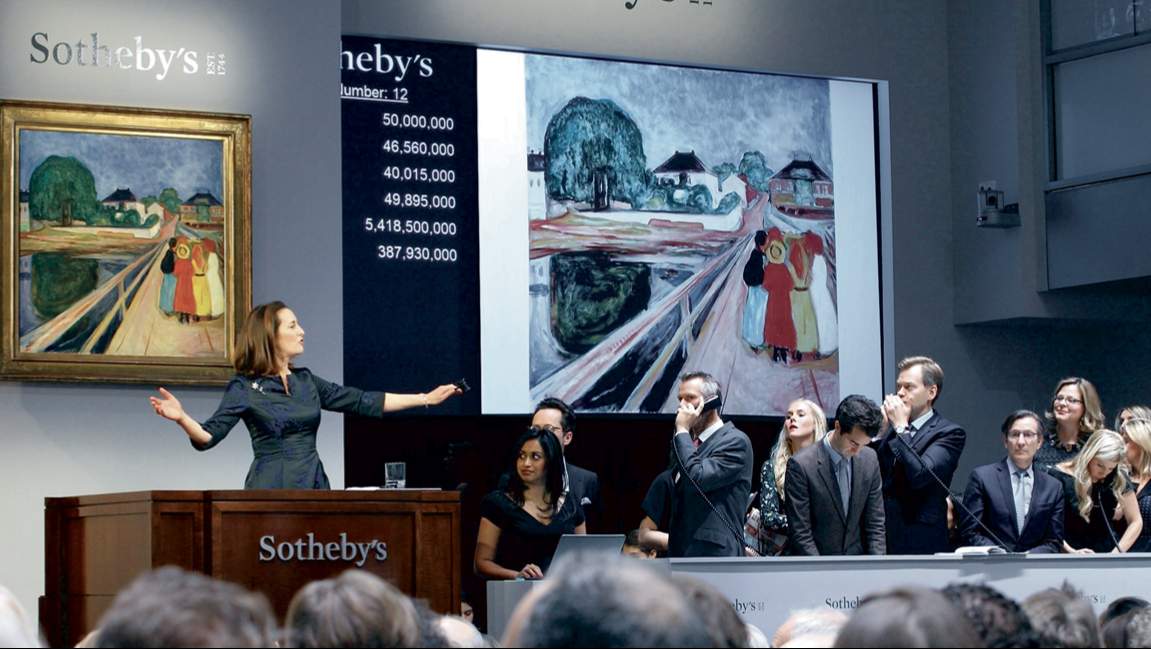
Multiple pieces can draw interest simultaneously at an opening. If which piece is reserved versus definitively sold isn't tracked in real time, the same piece can accidentally be sold to two people — one of the most reputation-damaging mistakes a gallery can make.
After the show: returning the works
Once a show ends, where unsold pieces go — back to gallery storage, to the artist, or to the consignor — needs a clear process. This step is often neglected, and piece locations become uncertain over time.
The long-term value of exhibition data
Which pieces sold, in which show, and how quickly, is valuable data that informs future exhibition planning. Galleries that don't record this history systematically end up relearning it from scratch with every show.